What Causes Foundations to Sink or Settle Over Time
People seeking foundation lifting often want to stabilize and raise sinking or settling foundations, and local contractors can assess the causes and provide effective lifting solutions.
Understanding what causes foundations to sink or settle over time is essential for property owners who want to protect their investment and maintain structural integrity. Foundations can shift gradually due to a variety of practical reasons, such as soil movement, changes in moisture levels, or inadequate initial construction. Recognizing these common factors helps homeowners and property managers identify early signs of settling and seek timely assistance from local contractors experienced in foundation lifting and repair services.
For those in the area exploring solutions to foundation settling, knowing the root causes can make a significant difference in choosing the right approach. Local service providers who specialize in foundation lifting can assess the specific conditions affecting a property and recommend effective, practical solutions. Whether caused by soil issues or other factors, understanding these causes empowers property owners to connect with experienced professionals capable of restoring stability and preserving the value of the property.
- Foundation lifting - recommended when shifting or sinking foundations cause uneven floors or cracks, with local contractors using hydraulic jacking to restore stability.
- Soil stabilization - needed when soil conditions lead to settlement over time, with service providers injecting grout or other materials to improve ground support.
- Pier and beam foundation repair - necessary if settling causes movement or damage in older structures, with local pros installing piers to lift and support the foundation.
- Mudjacking or slab jacking - suitable when concrete slabs settle due to soil shrinkage or compaction, with specialists raising the slab to level it back to normal.
- Drainage correction services - important when poor drainage leads to water accumulation and soil erosion, with local contractors improving grading and installing drainage systems to prevent future settling.
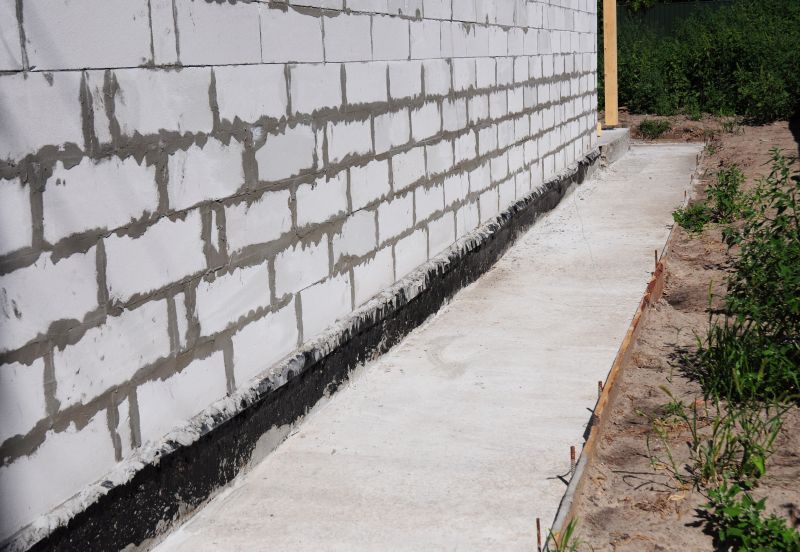

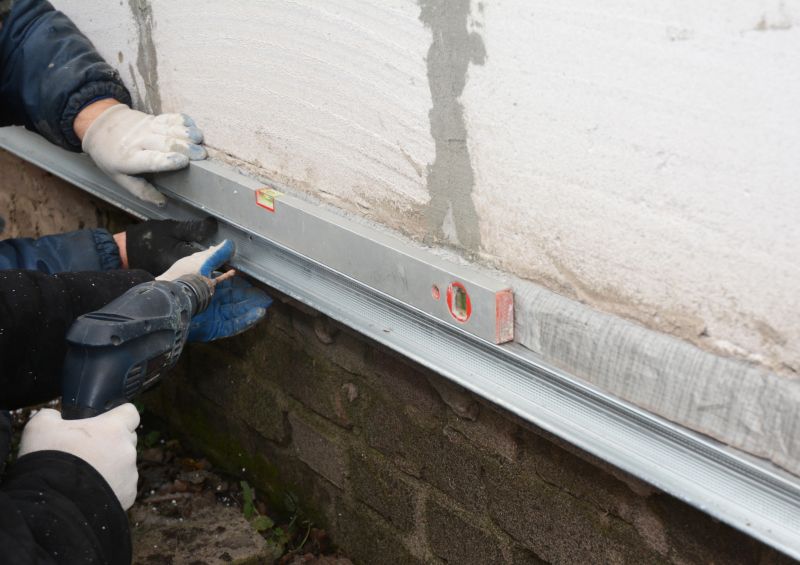
When people search for what causes foundations to sink or settle over time, they are usually trying to understand why their property’s foundation has shifted or become uneven after initial construction. This concern often arises when homeowners notice cracks in walls, uneven floors, or doors and windows that no longer close properly. Such issues can lead to serious structural questions and may prompt property owners to consider foundation repair or stabilization options. Understanding the underlying causes helps homeowners grasp whether these problems are due to natural soil movement, improper construction, or other factors that could affect the stability of their property.
This topic is closely related to a variety of property-related problems and planning efforts. Homeowners might be investigating foundation settlement as part of a larger effort to evaluate the safety and value of their property before buying or selling. It can also relate to ongoing maintenance or renovation projects, especially when addressing uneven floors or cracked walls. In some cases, foundation settlement may be linked to water drainage issues, soil erosion, or changes in moisture levels that can weaken the ground supporting the structure. Recognizing these connections helps property owners better understand the importance of addressing foundation issues promptly and how local service providers specializing in foundation lifting and stabilization can assist.
The types of properties most often affected by foundation settlement include residential homes, especially those built on expansive clay soils or areas with significant soil moisture fluctuations. Single-family houses, townhomes, and even some small commercial buildings can experience settling problems. Properties with poor drainage, inadequate foundation design, or construction on unstable soil are particularly vulnerable. These issues tend to develop gradually over years, making early detection and intervention crucial. Local contractors who specialize in foundation lifting and stabilization are experienced in working with these property types to restore stability and prevent further damage.
Understanding what causes foundations to sink or settle over time helps homeowners connect this knowledge to practical solutions. When foundation problems are identified, local pros can evaluate the specific causes-such as soil shrinkage, water intrusion, or poor initial construction-and recommend appropriate repair methods. Foundation lifting, underpinning, or soil stabilization are common approaches used to correct uneven settling and reinforce the structure’s stability. By working with experienced local service providers, property owners can address the root causes of foundation movement and protect their investment. This proactive approach ensures that foundation issues are managed effectively, reducing the risk of costly repairs later on.
Soil Stabilization Projects - these involve techniques to improve soil support beneath structures, sharing skills with foundation lifting to address ground movement causes.
Retaining Wall Installations - constructing retaining walls requires understanding soil behavior and ground shifting, similar to addressing foundation settlement issues.
Drainage System Installations - proper drainage helps prevent soil erosion and water accumulation that can lead to foundation sinking, aligning with foundation stabilization efforts.
Excavation and Grading Services - these projects involve assessing and modifying ground levels, which are essential steps in correcting foundation settling problems.
Pier and Beam Foundation Repair - repairing or reinforcing piers involves similar planning and skill sets as foundation lifting to restore stability.
Soil Testing and Analysis - evaluating soil conditions helps identify causes of foundation movement, enabling local contractors to recommend appropriate stabilization solutions.
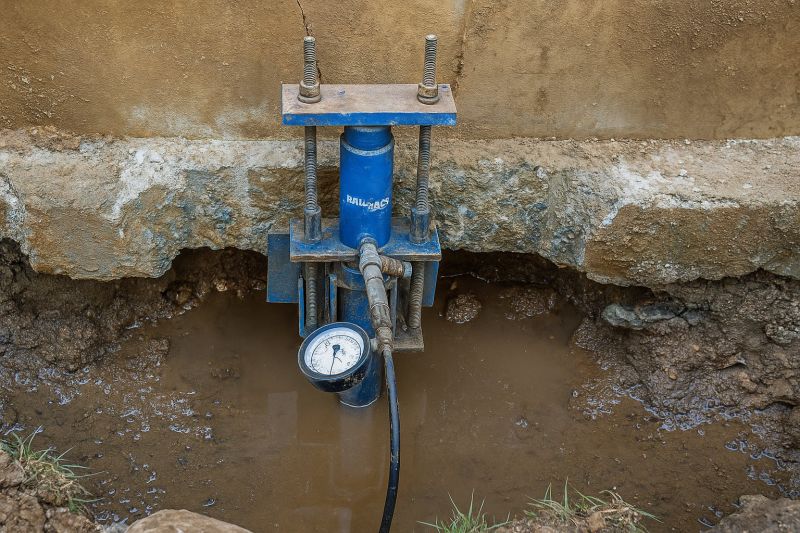
When evaluating local contractors for foundation lifting services, it is important to consider their experience with projects similar to your situation. A contractor who has handled foundation settlement or sinking issues in homes with comparable soil conditions and structural setups is more likely to understand the specific challenges involved. Their familiarity with the causes of foundations to sink or settle over time can also ensure they recommend appropriate solutions and avoid unnecessary work. Checking the background of local service providers regarding their history with foundation lifting can help identify those who are well-versed in addressing these types of issues effectively.
Clear and detailed written expectations are essential when comparing different contractors. A reputable provider should be able to outline the scope of work, the methods they plan to use, and the anticipated outcomes in a way that is easy to understand. This transparency helps homeowners grasp what to expect from the project and ensures that all parties are aligned on the process. When reviewing proposals or estimates, look for providers who communicate openly and provide comprehensive documentation, as this indicates professionalism and a commitment to clarity throughout the project.
Reputable references and good communication are key factors in choosing the right local contractor for foundation lifting. Speaking with previous clients can provide insight into the contractor’s reliability, quality of work, and how well they manage projects from start to finish. Additionally, a service provider who maintains open lines of communication and responds promptly to questions demonstrates professionalism and respect for the homeowner’s concerns. These qualities contribute to a smoother experience and increase confidence that the foundation issues caused by settlement or sinking will be addressed effectively and with proper attention to detail.
Property owners often search for what causes foundations to sink or settle over time when they are planning practical projects around their homes and businesses. Local pros provide Foundation Lifting services for everyday jobs and straightforward project options.


Foundations can settle or sink over time due to a variety of common, everyday factors. One frequent cause is soil movement beneath the property, often resulting from changes in moisture levels. For example, periods of heavy rain can cause the soil to become saturated and expand, while dry spells may lead to shrinking and shifting. This ongoing cycle can gradually cause the foundation to shift or settle unevenly. Additionally, poor soil compaction during initial construction or natural soil settling over years can contribute to foundation movement. Property owners noticing cracks or uneven floors may consider foundation lifting services offered by local contractors to address these issues and restore stability.
Other typical reasons for foundation settlement include landscaping activities that disturb the soil around the foundation or plumbing leaks that introduce excess moisture into the ground. Over time, these issues can weaken the soil’s support and lead to uneven settling. Local service providers experienced in foundation lifting can evaluate the specific causes of settlement and recommend appropriate solutions. Addressing these underlying issues early with the help of local pros can help prevent further damage and maintain the structural integrity of the property.
What are common causes of foundation settlement over time? Foundation settlement often results from soil movement due to moisture changes, poor soil compaction, or natural settling of the ground beneath the structure. Local contractors can assess these issues and recommend appropriate foundation lifting solutions.
How does soil type influence foundation sinking? Different soil types, such as clay or loose sandy soils, are more prone to shifting and settling, especially when moisture levels fluctuate. Experienced service providers can identify soil-related causes and determine the best approach to stabilize the foundation.
Can moisture problems cause foundations to settle? Yes, excessive or uneven moisture can cause soil expansion or contraction, leading to foundation movement. Local pros can help address moisture issues and perform foundation lifting to correct settled areas.
What role does poor drainage play in foundation settling? Poor drainage can lead to water accumulation around the foundation, weakening the soil and causing it to shift or settle. Foundation lifting specialists can evaluate drainage problems and restore stability.
How can foundation lifting services help with settling caused by soil issues? Foundation lifting involves realigning and stabilizing the structure by adjusting the foundation, which can counteract the effects of soil movement and prevent further settling. Local contractors experienced in foundation repair can provide tailored solutions for these problems.
Soil erosion and shifting ground can cause foundations to sink or settle over time, making it important to evaluate soil stability before construction or repairs with foundation lifting services from local contractors.
Uneven moisture levels in the soil may lead to differential settling; property owners can work with local pros to identify areas where drainage or watering adjustments might prevent future issues.
Poor initial construction or inadequate foundation design can result in long-term settlement; consulting local foundation specialists can help assess and reinforce the existing structure to ensure stability.
Changes in the environment, such as nearby excavation or tree roots can disturb soil support, and local contractors can recommend lifting or stabilization techniques to address these causes effectively.
If you are thinking about what causes foundations to sink or settle over time for a property, this guide is meant to help you understand this topic, the typical project types, and how different options might fit your plans.
When you are ready, you can use the quote form on this page to share a few details about your project. From there, local pros can review the basics and follow up with options that match what you have in mind.